
Discover the Wild Side of Wilpattu

Unforgettable Safari Experiences

Explore Nature, Create Memories

Home of Sri Lanka's Majestic Leopards

Wilpattu National Park

The Story of Wilpattu National Park

Wilpattu National Park, located on the north-western coast of Sri Lanka, is the largest national park on the island, covering an area of approximately 131,693 hectares. The park is renowned for its vast stretches of dry lowland forest and its unique network of natural rain-fed lakes known as “villus”. These shallow basin-like depressions are believed to be formed by underground water pressure, with some also fed by subterranean sources, creating a distinctive and vital ecosystem within the park.

Declared a sanctuary in 1905, Wilpattu was later upgraded to a national park on 25th February 1938. The adjacent Wilpattu North Sanctuary, declared on 7th November 1947, lies inland within the Northern Province and forms a contiguous extension of the protected area.


The park features a gentle landscape, ranging from sea level to around 152 feet at its highest point. While coastal edges are covered with low scrub and salt-tolerant grasses, around 73% of the park consists of dense forest and scrubland, with the remainder being more open habitats that support a rich variety of wildlife.

Wilpattu is also well connected, located approximately 182 km from Colombo. Visitors can reach the park via the A3 highway to Puttalam, then continue along the A12 Puttalam–Anuradhapura road before turning off at the main signboard. An 8 km access road leads directly to the park entrance at Hunuwilagama, where the safari experience begins.

Incredible Wildlife Species

Wilpattu National Park is one of Sri Lanka’s richest wildlife destinations, home to an extraordinary variety of mammals, reptiles, birds, and aquatic species. From the iconic Sri Lankan leopard, Asian elephant, and sloth bear to spotted deer, mugger crocodiles, wild boar, and over 200 species of birds, the park offers exceptional wildlife viewing throughout the year.

Its diverse habitats, including dense forests, open grasslands, and unique natural lakes known as “villus”, provide the perfect environment for these remarkable animals to thrive. Every safari presents a unique opportunity to witness the beauty and diversity of Sri Lanka’s wildlife in its natural habitat, creating unforgettable experiences for nature lovers and photographers alike.

Mammals - ( 29 )

Wilpattu National Park is home to an impressive variety of mammals, including the iconic Sri Lankan leopard, Asian elephant, sloth bear, spotted deer, and many other fascinating species that thrive in its diverse habitats.

Birds - ( 183 )

Wilpattu National Park is home to a rich variety of bird species, including colourful kingfishers, majestic eagles, owls, storks, and many other fascinating birds that thrive across its forests, wetlands, and natural lakes.
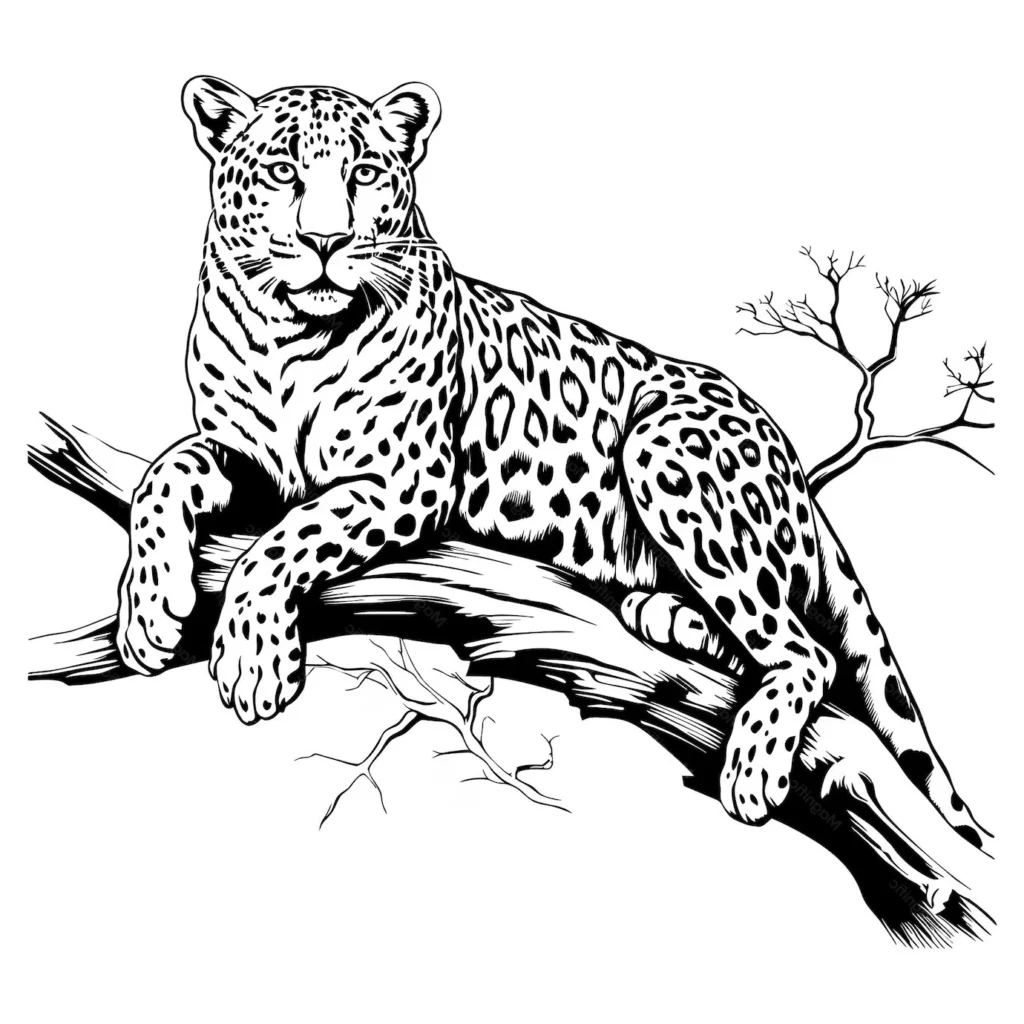
Black and white illustration of a Sri Lankan Leopard resting on a tree branch for Wilpattu Safaria branding.

Reptiles - ( 30 )

Wilpattu National Park is home to a fascinating variety of reptiles, including mugger crocodiles, monitor lizards, snakes, and turtles, which inhabit its forests, wetlands, and natural water bodies across the park.

Butterflies - ( 72 )

Wilpattu National Park is home to a variety of beautiful butterflies, fluttering across forests, grasslands, and flowering plants, adding vibrant colour and life to the park’s rich and diverse natural ecosystem and surroundings.

Wild Flowers - ( 131 )

Wilpattu National Park is home to a diverse range of wild flowers, blooming across its forests, grasslands, and open landscapes throughout the seasons, adding vibrant natural beauty, colour, and charm to the park’s rich and thriving ecosystem.

Wild Orchids - ( 9 )

Wilpattu National Park is home to a delicate variety of wild orchids, blooming across its forests, grasslands, and shaded areas throughout the seasons, adding rare beauty, elegance, and natural charm to the park’s rich ecosystem.

Tarantulas & Spiders - ( 1 )

Wilpattu National Park is home to a fascinating variety of tarantulas and spiders, found across its forests, grasslands, and hidden habitats throughout the park, adding unique biodiversity, ecological balance, and natural intrigue to the ecosystem.

Trees & Shrubs - ( 17 )

Wilpattu National Park is home to a wide variety of trees and shrubs, spread across its forests, grasslands, and dry zones throughout the park, providing essential shelter, shade, and ecological balance to the rich natural ecosystem.

Locations & Archeological Sites - ( 13 )

Wilpattu National Park is home to several historical locations and archaeological sites across its landscapes, reflecting cultural heritage and adding historical significance to the region.

Dragonflies - ( 25 )

Wilpattu National Park is home to a variety of dragonflies, commonly found across its wetlands, lakes, and forest edges throughout the park, adding vibrant colour, graceful movement, and ecological balance to the natural ecosystem.

Amphibians - ( 11 )

Wilpattu National Park is home to a variety of amphibians, found across its wetlands, ponds, and forested areas throughout the park, contributing to biodiversity, ecological balance, and the natural harmony of the ecosystem.

Freshwater Crabs - ( 2 )

Wilpattu National Park is home to a variety of freshwater crabs, found across its streams, wetlands, and forested water bodies throughout the park, contributing to ecological balance, biodiversity, and the natural aquatic ecosystem.

Scorpions - ( 2 )

Wilpattu National Park is home to a variety of scorpions, found across its dry forests, rocky areas, and hidden ground habitats throughout the park, contributing to biodiversity, ecological balance, and the natural desert ecosystem.

Wild mushrooms - ( 19 )

Wilpattu National Park is home to a variety of wild mushrooms, found across its forest floors, shaded areas, and moist habitats throughout the park, contributing to natural decomposition, biodiversity, and ecological balance of the ecosystem.
error: Content is protected !!
Scroll to Top